The mini-continent we now know as Madagascar is possibly the world’s oldest island, having been isolated for around 80 million years. Formed through the prehistoric breakup of the supercontinent Gondwana, the Madagascar-India landmass separated from Africa approximately 150 million years ago before drifting away from the Indian tectonic plate some 70 million years later. This extraordinary isolation, in a remote corner of the Indian Ocean, allowed its plants and animals to evolve independently — resulting in one of the most unique ecosystems on the planet, where an astonishing proportion of species are found nowhere else on earth.

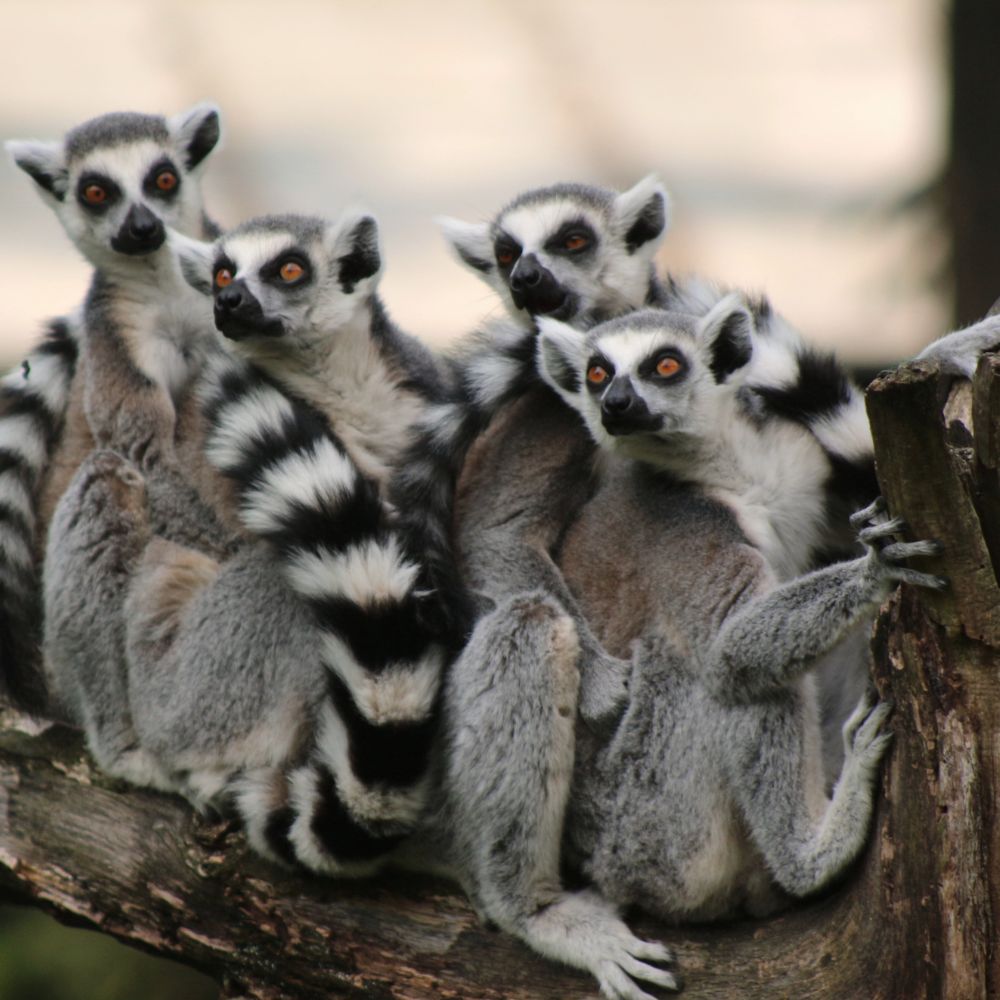
Today, the world’s second-largest island nation offers an incredible diversity of landscapes, divided into distinct regions ranging from lush eastern rainforests and dramatic central highlands to the dry spiny forests of the south and the limestone “forests” of the west. This remarkable variety of habitats supports extraordinary wildlife, including endangered lemurs, dazzling chameleons, radiated tortoises, and over 280 bird species — around one-third of which are endemic. Unlike many wildlife destinations, Madagascar has no poisonous snakes, adding to its appeal as a safe and accessible nature destination.

From the iconic baobab trees ( 7 types are found on Madagscar vs. only one type in Africa) and surreal spiny deserts of the south to the pristine tropical rainforests and coral-rich coastlines of the east, Madagascar offers a truly unique safari experience combining rare wildlife, breathtaking scenery, and rich cultural encounters. The warmth and friendliness of the Malagasy people — known as the “Malagasy way” — together with the island’s renowned spices such as vanilla, coffee, and cinnamon, add a vibrant cultural dimension to this extraordinary destination.

Madagascar’s regions are incredibly diverse, each offering distinct landscapes and wildlife experiences.

Eastern Rainforests & Masoala Peninsula

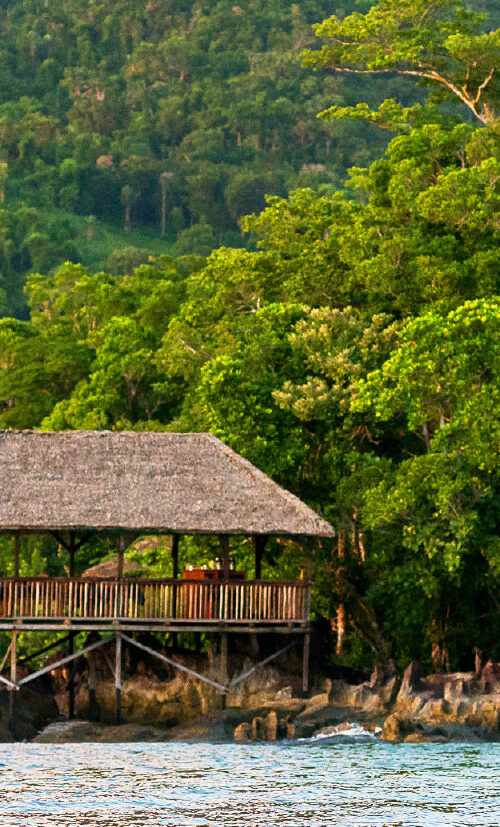
The lush east coast is home to dense tropical rainforest and Madagascar’s largest protected area, Masoala National Park. This region combines rainforest and marine environments, allowing guests to track rare lemurs in the morning and snorkel coral reefs in the afternoon.

Highlights include:

  • Red ruffed lemurs and the elusive nocturnal aye-aye
  • Exceptional birdlife and chameleons
  • Kayaking, snorkelling, and whale watching (July–September)

The Southwest Spiny Forests

The south of Madagascar is dry, dramatic, and unlike anywhere else in the world. Here, the strange and beautiful spiny forest supports endemic wildlife such as Verreaux’s sifaka — famous for its unique “dancing” movement across open ground.

Visitors can experience:

  • Sacred forests and ancestral tomb sites
  • Cultural encounters with local communities
  • Radiated tortoises and rare reptiles

Western Madagascar & the Tsingy

In the west, dramatic limestone “forests” known as the Tsingy create one of the most unique landscapes in Africa. The UNESCO-listed Tsingy de Bemaraha National Park is renowned for its razor-sharp pinnacles, deep canyons, and endemic wildlife.

Madagascar is a year-round destination, but seasons vary greatly depending on the region.

April to November (Dry Season)
This is generally the best time to visit, offering cooler temperatures, easier travel conditions, and excellent wildlife viewing.

July to September
A particularly special time along the east coast when humpback whales migrate to Madagascar’s waters to calve.

December to March (Wet Season)
Rainfall is highest, especially in the east, which can make travel more challenging but also brings lush scenery and vibrant landscapes.

Because Madagascar has multiple climates, we design our itineraries to combine regions that are at their best during the same travel period.

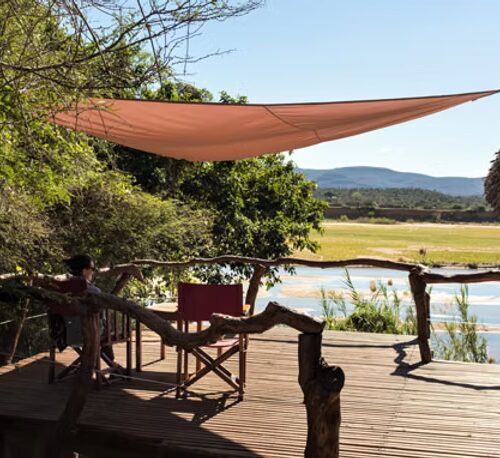
Madagascar offers a unique style of safari accommodation, ranging from rustic eco-lodges to charming tented camps.

Many camps are located in remote wilderness areas, offering an intimate connection with nature and exceptional wildlife encounters.

Experiences typically include:

  • Guided forest walks to see lemurs and chameleons

  • Night walks to search for nocturnal species

  • Cultural visits to local communities

  • Marine activities such as snorkelling and kayaking

These camps are often small and exclusive, allowing guests to experience Madagascar’s wildlife in a peaceful and uncrowded setting.

Madagascar’s main gateway is Antananarivo (often called “Tana”), which serves as the hub for flights to wildlife destinations. Due to the island’s size and remote landscapes, travel often involves a combination of scheduled flights, charters, road transfers, and boat journeys.

Distances can be long, but the journeys themselves are part of the adventure and help preserve the country’s wild and untouched character.

Currency

The local currency is the Malagasy Ariary (MGA). Cash is widely used, especially in remote areas, and credit cards are accepted mainly in larger hotels. Travellers are advised to carry small denominations for local purchases and tipping.

Electricity & Plugs

Madagascar uses 220V electricity with European-style two-pin plugs (Type C and E). A universal travel adapter is recommended.

Connectivity

Wi-Fi is generally available in main lodge areas but can be limited in remote regions — making Madagascar an ideal destination to disconnect and fully immerse in nature.

MadagascarReviewMasoala Forest Lodge Review – Madagascar
February 24, 2026

Masoala Forest Lodge Review – Madagascar

Why Visit Masoala Forest Lodge? Tucked between pristine tropical rainforest and the turquoise waters of the Indian Ocean, Masoala Forest Lodge offers one of Madagascar’s most unique and immersive wilderness…
MadagascarReviewMandrare River Camp Review – Madagascar
February 24, 2026

Mandrare River Camp Review – Madagascar

Why Visit Mandrare River Camp? Nestled beneath towering tamarind trees along the banks of the Mandrare River, Mandrare River Camp offers an unforgettable safari experience in one of Madagascar’s most…